A) Sleep Features
 Circadian alignment
 Sufficient duration
 Sleep continuity
 Deep sleep
The Chemical Messengers of the Brain
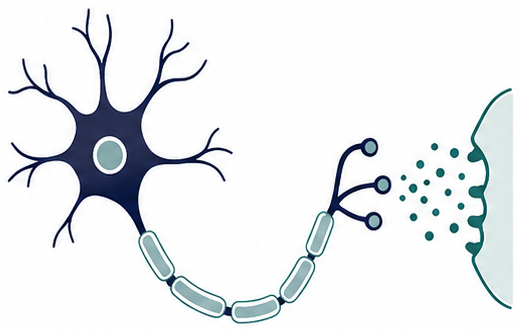
Neurotransmitters are chemical messengers released by neurons to transmit signals across synapses.
 Fast signaling
 Local / synaptic communication
 Brain and nervous system regulation
 Influence on mood, arousal, cognition, and movement
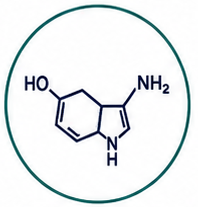 Serotonin
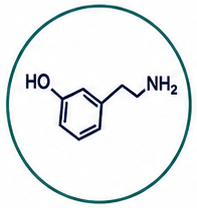 Dopamine
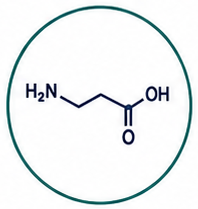 GABA
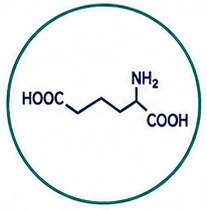 Glutamate
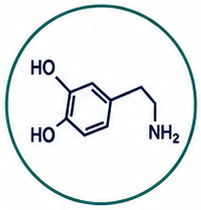 Norepinephrine
The Body’s Systemic Chemical Signals
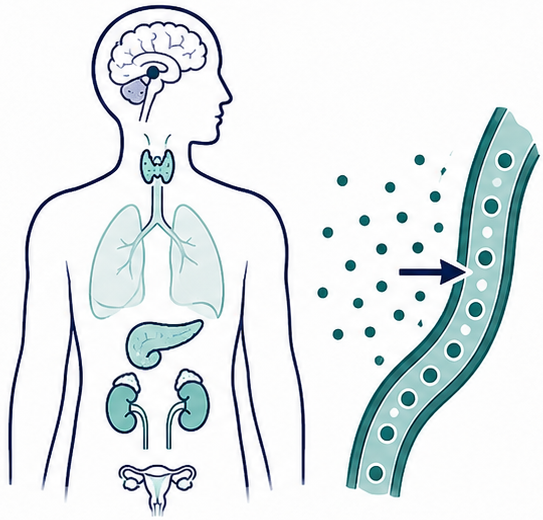
Hormones are chemical messengers released by endocrine glands and tissues and carried through the bloodstream to regulate whole-body functions.
 Slower but broader signaling
 Systemic / body-wide communication
 Endocrine and metabolic regulation
 Influence on circadian timing, stress, growth, and energy balance
 Melatonin
 Cortisol
 Growth Hormone
 Insulin
 Leptin & Ghrelin
Distinct Pathways, Coordinated Regulation
| NEURO | FEATURE | HORMONES |
|---|---|---|
| Source: neurons |  Source | Source: endocrine glands & tissues |
| Route: synapse |  Route | Route: bloodstream |
| Speed: fast |  Speed | Speed: slower, longer-range |
| Main role: rapid neural signaling & regulation |  Main role | Main role: systemic coordination & adaptation |
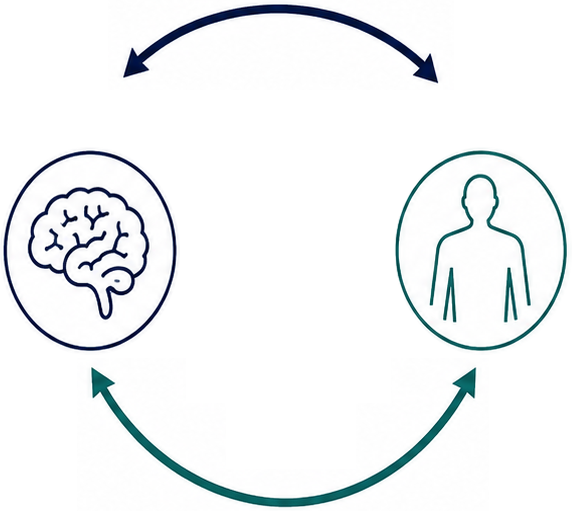 NEURO
Sleep Supports Neurotransmitter and Hormone Balance
Circadian alignmentSufficient durationSleep continuityDeep sleep
 GABA support
 Serotonin–melatonin cycling
 Balanced glutamate / norepinephrine arousal
 Brain restoration and memory processing
 Coordinated regulation

 Melatonin rhythm
 Growth hormone night-time repair
 Cortisol rhythm alignment
 Insulin sensitivity
 Leptin / ghrelin balance
Exercise Supports Neurotransmitter and Hormone Balance
 Regular movement
 Moderate intensity
 Recovery time
 Training consistency
 Dopamine motivation / reward
 Serotonin mood support
 Norepinephrine readiness
 Improved brain–body signaling
 Coordinated regulation
 Acute cortisol mobilization with adaptive recovery
 Insulin sensitivity
 Growth hormone support
 Myokine communication
 Appetite–satiety regulation
Whole-Body Functions Shaped by Signaling Balance
 Sleep quality & recovery
 Cognitive function & memory
 Metabolic and cardiometabolic health
 Immune balance
 Physical vitality and performance
 Healthy aging and resilience
Daily Function, Resilience, and Quality of Life
 Mental & emotional balance
 Stress resilience
 Energy and lower fatigue
 Focus and daily productivity
 Quality of life
 Social functioning and motivation
How Signaling Changes Across the Day

Cortisol rhythm promotes wakefulness, alertness, and readiness.

Dopamine / norepinephrine support focus, motivation, performance, and activity.

Adaptive signaling stimulates energy use, improves fitness, and drives beneficial stress responses.

Light exposure drops, arousal decreases, and parasympathetic activity increases.

Melatonin, GABA, growth hormone support deep sleep, repair, and restoration.
