Why Not Just
Functional
Ingredients?

From function
to response

Functional ingredients describes what an ingredient does. Bio-responsive ingredients go deeper – focusing on how the body senses, responds, and translates molecular interactions into real human benefits.

Same molecule.
Different perspective.
Greater possibilities.

  1. Sensory
    perception
  2. Neural
    response
  3. Physiological
    effects
  4. Human
    well-being

Functional Ingredients

What an ingredient does

  • Focus on specific functions
    (e.g., antioxidant, anti-inflammatory)
  • Often based on single biological targets
  • Typically evaluated by in vitro or general physiological data
  • Important, but limited to functional claims

Function
= measurable activity

Bio-Responsive Ingredients

How the body senses and responds

  • Interact with sensory receptors, neural pathways and biological targets
  • Trigger multi-level responses
    (from molecular to human experience)
  • Consider multiple exposure routes
    (inhalation, oral intake, topical application)
  • Enable innovative applications for well-being, lifestyle and quality of life

Response
= human experience

Same Ingredient. More Potential.

From molecule to a meaningful life.
  1. Natural Sources

    Plants, botanicals
    and natural raw materials

  2. Bioactive Molecules

    Naturally derived
    aroma and phyto-compounds

  3. Biological Interaction

    Sensory receptors
    Neural pathways
    Cellular targets

  4. Human Response

    Well-being
    Emotional balance
    Better everyday life

From Function
to Response

A human response framework

Bio-responsive ingredients go beyond what an ingredient does. They interact with the body’s sensory systems and biological targets, triggering a cascade of responses that ultimately contribute to human experience and well-being.

Same molecule.
Different pathways.
A broader impact.

The Response Pathway

From molecule to human experience.
  1. 01

    Ingredient

    Naturally derived molecule with bioactive potential.

  2. 02

    Receptor /
    biological target

    Interacts with sensory receptors, neural pathways or other biological targets.

  3. 03

    Signaling

    Activates intracellular signaling pathways (e.g. neuronal, immune, metabolic).

  4. 04

    Cellular /
    neural response

    Modulates cellular activity and neural transmission.

  5. 05

    Physiological
    response

    Influences physiological functions (e.g. mood, stress, sleep, immunity).

  6. 06

    Functional
    outcome

    Contributes to perception, emotion and overall well-being.

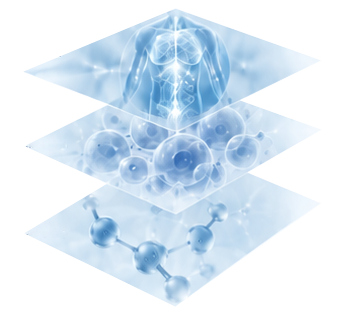
Multi-Level Interactions

Small molecules. Wide possibilities.
Systemic level
Physiological effects
Cellular level
Signal transduction
Molecular level
Receptor interaction
Three translucent stacked planes showing systemic, cellular and molecular interactions.

How
Bio-Responsive
Ingredients Work

From Molecule to Meaningful Experience

Bio-responsive ingredients interact with sensory and biological targets in the body, triggering a cascade of responses that contribute to physiological functions and human well-being.

Molecules
connect
nature and
humans

Sensory science
Life science
A brighter tomorrow

The Bio-Responsive Pathway

A multi-step interaction process

  1. 1. Molecule

    Natural or science-driven compound

  2. 2. Sensory /
    biological target

    Interacts with receptors or biological targets (e.g. olfactory, taste, TRP, cellular receptors)

  3. 3. Signaling

    Activates cellular or neural signaling pathways

  4. 4. Cellular /
    neural response

    Modulates cellular function and neurotransmission

  5. 5. Physiological
    response

    Contributes to physical and mental well-being

  6. 6. Human
    experience

    A better life through nature and science

Key Interaction Targets

Multiple interfaces in the human body

  • Olfactory
    receptors

    Smell

  • Taste
    receptors

    Taste

  • Trigeminal
    receptors

    Chemesthesis
    (cooling, warming, etc.)

  • Gastrointestinal
    system

    Digestion &
    absorption

  • Skin receptors

    Topical interaction

  • Immune cells

    Immune support

  • Cellular pathways

    Antioxidant,
    anti-inflammatory

  • Neural pathways

    Mood, stress
    and cognitive function